
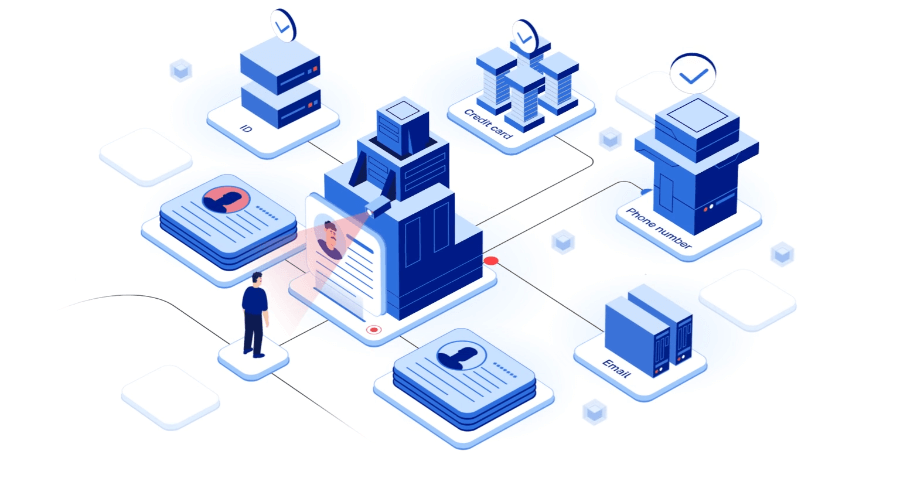
NIST IAL3 verification is the highest identity assurance level within the NIST Digital Identity Guidelines. It is designed for situations where identity accuracy is critical and where unauthorized access could cause serious harm. This level of verification is commonly required by government agencies, regulated industries, and enterprises handling sensitive data or high-risk digital services.
IAL3 emphasizes strong identity confidence, making it suitable for secure access to critical systems and protected information.
Overview of NIST 800-63A IAL3 Standards
The NIST 800-63A IAL3 standard defines how identity proofing must be performed to achieve the highest level of assurance. It specifies strict requirements for identity evidence, verification methods, and supervision.
Organizations following this standard must ensure that identity data is accurate, protected, and verifiable. The framework supports consistency across implementations while reducing the risk of identity fraud and impersonation.
How IAL3 Identity Proofing Works
IAL3 identity proofing is a controlled process that validates an individual’s real-world identity using authoritative documents and secure verification procedures. The process typically includes identity document verification, biometric comparison, and supervised validation.
Supervised or in-person verification ensures that the identity proofing session cannot be compromised. This approach significantly strengthens trust in digital onboarding and access management.
Security Controls in NIST IAL3 Verification
NIST IAL3 verification requires strong security controls to protect both identity data and verification processes. These controls include fraud detection mechanisms, secure data handling practices, and tamper-resistant verification workflows.
Biometric binding helps ensure that verified identities remain linked to the correct individual. All verification steps must be auditable, supporting compliance and accountability requirements.
Why an IAL3 Compliant Solution Is Essential
An IAL3 compliant solution allows organizations to meet regulatory obligations while maintaining operational efficiency. Many regulated environments require strict adherence to NIST guidelines, making compliance a critical business requirement.
A compliant solution simplifies implementation by standardizing workflows and reducing manual risk. It also helps organizations prepare for audits and regulatory reviews with confidence.
Organizational Benefits of IAL3 Identity Proofing
Implementing IAL3 identity proofing delivers long-term benefits beyond compliance. It strengthens identity assurance, reduces fraud risk, and enhances trust in digital interactions.
Organizations gain improved access control, reduced identity-related incidents, and greater confidence in user verification. These benefits are especially valuable for high-risk and regulated use cases.
TrustSwiftly Support for NIST IAL3 Verification
TrustSwiftly provides a robust Remote IAL3 enrollment compliant solution that supports organizations implementing NIST IAL3 verification. The platform aligns with NIST 800-63A IAL3 requirements and offers secure, scalable identity proofing workflows.
TrustSwiftly enables organizations to conduct IAL3 identity proofing efficiently while maintaining compliance, audit readiness, and strong security controls.
Long-Term Value of NIST IAL3 Verification
As digital identity threats continue to evolve, NIST IAL3 verification remains a critical foundation for secure digital operations. Through rigorous IAL3 identity proofing, alignment with NIST 800-63A IAL3, and adoption of an IAL3 compliant solution, organizations can protect sensitive systems and maintain trust over time.

 Arabic
 French
 Spanish
 Portuguese
 Deutsch
 Turkish
 Dutch
Dutch
 Italiano
 Russian
 Romaian
 Portuguese (Brazil)
 Greek
Greek